Attic air sealing in Mount Pleasant SC - a ceiling that holds the air you pay for
A hot room upstairs or drafts at the lights usually mean air is leaking through the ceiling. We seal it so your rooms hold their air.
- Fully licensed and insured.
- Free quotes on site.
- We reply within 1 business day.
Why is my upstairs hot when the attic already has insulation?
Attic air sealing in Mount Pleasant closes the gaps between your attic and the rooms below, around light fixtures, vents, pipes, wiring and the hatch, so air stops slipping through the ceiling. It's usually done just before new insulation goes in, and it can cut drafts, lower your heating and cooling bills, and keep dust, moisture and pests out of the house.
Most people who call us have a hot room, a draft they can't track down, or an attic nobody has looked at in years, and the insulation up there often looks fine at first glance. The price moves with how much there is to seal and how hard it is to reach, and the schedule turns on what the first look finds, since anything that needs fixing or checking comes before the sealing. I give you your own figure at the estimate, once I've seen the attic.
How can you tell air is leaking through your attic?
One room never feels right
If a bedroom upstairs or the room over the garage never matches the rest of the house, attic air is usually getting in around lights, vents or the hatch. Left alone, your system runs longer to keep up, and that shows on the power bill every month.
Gray lines on the carpet
Dark streaks along carpet edges or around ceiling vents are dust caught as air pushes through a gap, a bit like a filter. The leak keeps pulling attic dust and moisture into your house until the gap is closed.
Air around the attic hatch
If you can feel air at the hatch or pull-down stairs, or see light around the edge, the cover isn't sealing when it's shut. It's often one of the larger openings in the ceiling, so it's a sensible place to start.
How we handle attic air sealing
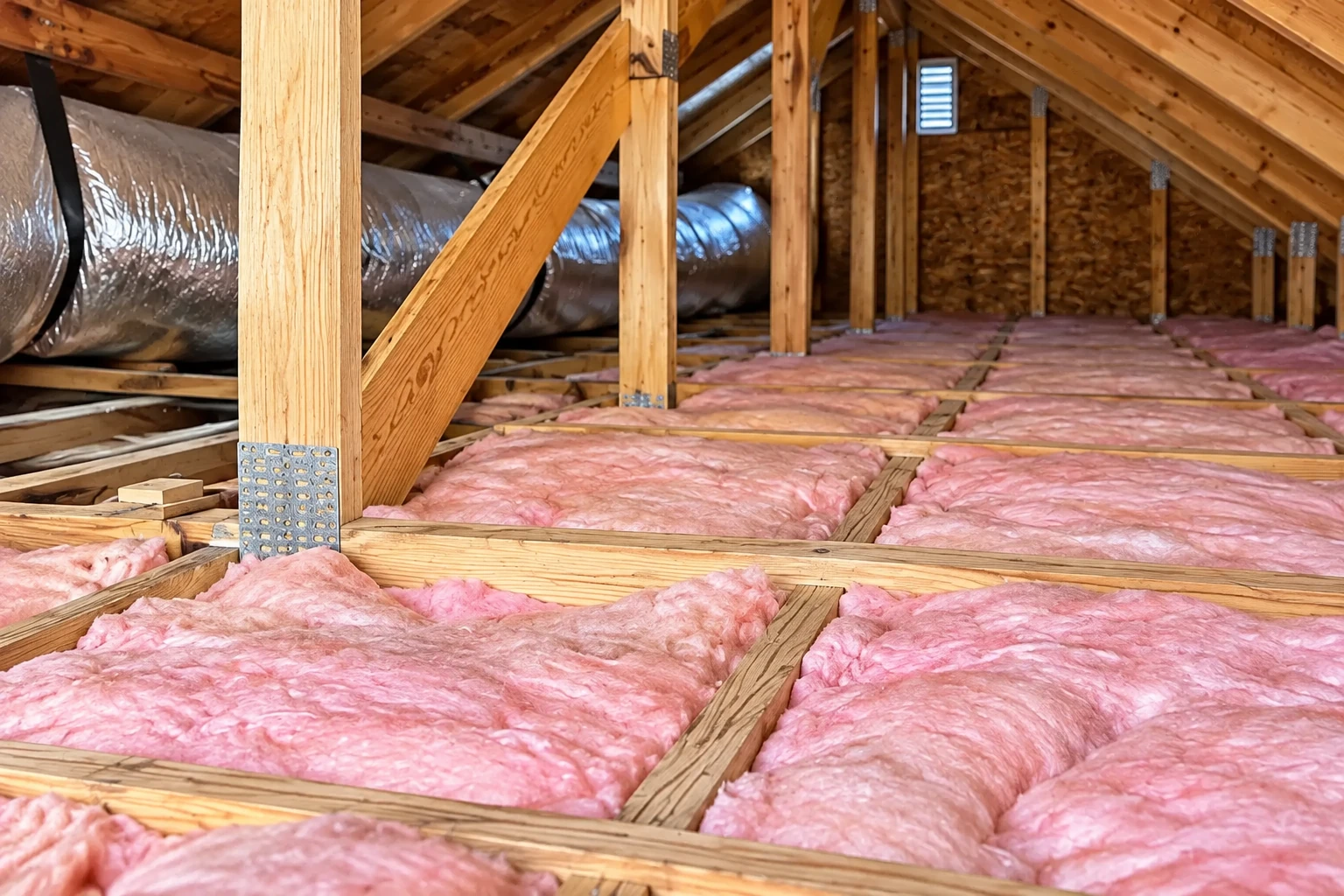
Before anyone climbs into the attic, I look at what's below it, because if your home has a gas furnace or water heater that draws its air naturally, we have it checked first. Then our crew moves the existing insulation aside where it covers the gaps and seals the holes through the ceiling, around light fixtures, duct boots where the vents meet the ceiling, wiring, plumbing and flues, as its own step before any insulation goes in. National best-practice guidance calls for caulk, foam or spray sealant on narrow gaps and rigid blocking sealed in place over wider openings, and in a vented attic it puts baffles, the guards that keep the eave vents open, in next. Only after that does insulation go back in.
If the attic or walls need more insulation once the gaps are closed, our retrofit insulation work adds it to a house you're already living in. When the ductwork lives in the attic, spray foam insulation under the roof seals and insulates in one pass, and it's worth the higher cost there because the ducts end up inside the sealed part of the house. Otherwise, sealing the gaps and topping up with blown-in insulation, loose fill blown through a hose, usually does the job for less, and that's what I'll most often suggest.
Sealing ahead of new insulation
This suits you if you're planning to add insulation, because the gaps are easiest to reach before a new layer covers them. We schedule the sealing as the first part of that job, so the attic is only opened up once.
Sealing under what's already there
This suits an attic whose insulation is clean and dry, since we can move it aside, seal underneath and put it back, and I'll tell you at the estimate whether yours gets moved or taken out. If it's soaked, full of droppings or turns out to be vermiculite, a loose, pebbly fill that may contain asbestos, we stop and talk it over before anything else happens.
Find out where your attic is leaking
We reply within one business day to set up a visit. I come out myself, look over your attic and give you a free estimate on site, with no obligation to go ahead.
(843) 416-5007Attic air sealing in Mount Pleasant, from permits to the houses we see
The Town of Mount Pleasant issues building permits for work above a value its building official sets and for any project that needs a structural inspection, so the rule alone doesn't settle whether your sealing job needs one. Before work starts, we check with the building office for your address, which outside Mount Pleasant may be another city or the county, and if a permit is needed we handle the application and keep you informed.
We're based in Mount Pleasant, and the attics we open up here range from older, lived-in homes with several layers of insulation to newer ones with a room over the garage that never keeps up with the rest of the house. In the older ones I look for knob and tube wiring, the early wiring strung on porcelain knobs, because new insulation has to wait until it's replaced or properly boxed in. We see the same mix on jobs in Charleston and North Charleston, and we handle it the same careful way.
What happens after you call us about your attic?
Call us or send the form
Tell us what you're noticing, whether it's a hot room, a draft or an attic you're unsure about. We'll set a time for me to come out.
I look over your attic
I come out myself, look over the attic and the equipment below it, and ask a few questions about the house. Then I explain what I found, what I'd suggest and what it would cost, so you know your figure before you decide anything.
Our crew seals, I check
If you'd like to go ahead, we check with the building office for your address and protect your home while our crew works. Before we leave, I walk you through the finished attic so you understand what we did and why.
Frequently asked questions
Will adding more insulation stop drafts in my attic?
No, because fiberglass batts and loose fill slow heat but don't stop air, so drafts pass right through them. Sealing has to be done as its own step, and more insulation doesn't take its place.
Does my house need a safety test before attic air sealing?
If your home has a gas furnace, water heater or other fuel-burning equipment that draws its air naturally, best practice calls for a combustion safety test first, which checks that exhaust goes up the flue instead of spilling back into the house. Any problem it finds is fixed before attic work goes ahead, because a tighter house can also hold in carbon monoxide, radon and fumes from paints and cleaners. Keeping the air safe can mean adding a ventilation fan or repairing the source, which adds to the project, and I'll tell you at the estimate if your house looks like it needs either.
How much does attic air sealing cost in Mount Pleasant?
I can give you a real figure only after seeing your attic, because the cost comes from what's up there more than from the size of the house. A handful of small gaps around wiring and pipes takes caulk and foam, while open chases, the shafts where ducts or flues run up through the house, need rigid blocking cut and sealed in place, and a cramped attic or insulation that has to be moved or removed adds labor. Any fan or repair the safety test calls for adds to it as well.
Can a Dominion Energy program help pay for attic air sealing?
It may, since Dominion Energy says eligible Home Energy Check-up Plus participants can receive 90% toward qualifying attic insulation, air sealing and duct sealing improvements, up to $2,880, through March 31, 2027. We haven't confirmed that Mount Pleasant addresses qualify, so please check your eligibility with Dominion Energy before you plan around it.
What is the best way to seal an attic hatch?
National guidance calls for insulating the hatch, door or pull-down stairs with rigid foam and fitting a gasket around the edge rather than caulk, so it seals when it's closed. Caulk would glue the cover shut, and a gasket lets you still get into the attic.
How do I seal around a furnace or water heater flue in the attic?
National best-practice guidance calls for fire-rated caulk and a metal collar or fitted sheet metal around the flue, with proper clearance kept between the flue and anything that can burn. Because the flue carries hot exhaust, this is one gap where the right material matters more than speed.
Mt Pleasant, SC
Book your attic air sealing estimate
Before I come out, note where your attic hatch is, whether a gas furnace or water heater vents up a flue, and what insulation is up there now, so we can plan the visit around them.